
The Physics of Grit
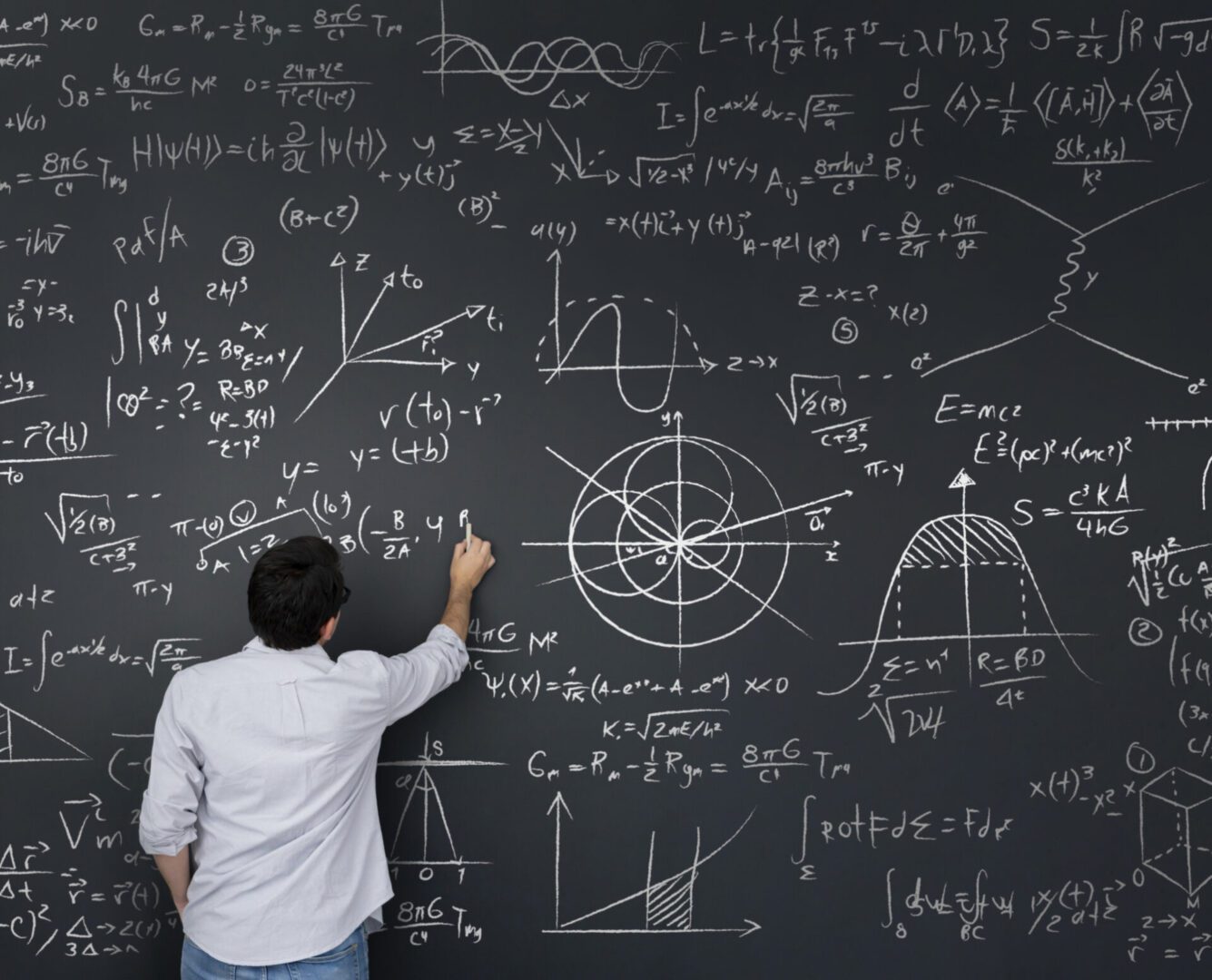
The Physics of Grit
Sports are often described as entertainment, but I see them as experiments in human truth. Every game, every race, and every competition is a live demonstration of discipline, pressure, and resilience.
At Diogenetics, I study sports the same way I study science—through observation, analysis, and respect for what can’t be faked: effort.
Truth in Motion
Statistics tell one version of a game—who scored, who won, and who lost. But truth in sports lives between the numbers. It exists in the decisions made under fatigue, the milliseconds between reaction and regret, and the willpower that keeps motion from collapsing into surrender.
Sports are measurable, but meaning isn’t. A stopwatch can record speed, but it can’t quantify courage. That’s why I write about the data and the discipline. Performance is physics. Integrity is psychology. Combine them, and you find the equation that defines greatness.
The Science of Resilience
Resilience isn’t mystical. It’s mechanical—the body’s ability to recover and the mind’s ability to reframe failure. The best athletes are not superhuman; they’re systematically trained organisms of focus and feedback.
At Diogenetics, I’m fascinated by how the human system adapts. Heart rate, oxygen uptake, and muscle memory—all are variables in a larger formula of persistence. Yet, beyond biology, there’s something more difficult to measure: belief.
Every comeback is an experiment in self-trust. Every loss becomes data for future strength. True resilience isn’t avoiding defeat; it’s metabolizing it.
Competition as Clarity
Competition has a bad reputation in some circles, but I see it as one of humanity’s purest mirrors. When stripped of ego and excess, competition reveals character. It’s a testing ground for honesty—between what we claim to be and what we can actually do.
A competitor who cheats breaks more than rules—they break the chain of cause and effect that makes sport meaningful. Without fairness, results lose value. Truth, not talent, is what keeps the game sacred.
That’s why real sports journalism must guard against sensationalism. Every story deserves to be told with accuracy and respect for the data behind performance.
Beyond the Scoreboard
Wins and losses are surface-level outcomes. The real stories live in the process: the repetition, the early mornings, the invisible hours when no one is watching.
As a journalist, I’m less interested in the final score and more in what it took to reach it. The training methodologies, the psychology of teamwork, and the ethics of leadership—these are the forces shaping modern sport.
I view each athlete as a case study in applied philosophy. Their routines demonstrate how persistence interacts with imperfection, how motivation collides with biology, and how emotion influences precision.
Sports journalism should do more than celebrate moments. It should explain mechanisms.
Technology and the Human Edge
In the age of analytics, sensors, and real-time tracking, the line between athlete and algorithm is thinning. We can now measure split-second reactions, predict fatigue, and simulate outcomes before they happen.
But even with data everywhere, the unpredictable human element remains undefeated. The mind’s ability to override limits—to find one more second, one more step—cannot be coded.
At Diogenetics, I explore this intersection between human intuition and machine precision. Technology can enhance fairness and performance, but it can never replace the unquantifiable heart that defines competition.
The most advanced tools still depend on the same question: What drives us to keep going when logic says stop?
Ethics in Sports
Sports journalism, like all journalism, must confront uncomfortable truths. Doping scandals, financial corruption, mental health neglect—these are not distractions; they’re part of the reality we measure.
Truth is not always convenient, especially in a billion-dollar industry built on image. But integrity in reporting is as essential as integrity in play. At Diogenetics, I believe both fields require the same foundation: transparency.
When I write about sports, I’m not chasing spectacle. I’m investigating systems—physical, emotional, and institutional. The goal is not to sensationalize, but to humanize.
The Equation of Effort
In sports, physics meets philosophy. Every motion has equal and opposite resistance. Every victory carries an unseen cost. Every athlete balances between discipline and doubt.
That balance—the equilibrium between mind and muscle—is where the truth lives. It’s not found in medals or records but in the quiet persistence of those who train without an audience, who keep going without applause.
Success in sports, like progress in science, is built on replication. You do the work. You measure. Furthermore, you adjust. And slowly, truth emerges through repetition.
Closing Thoughts
Sports journalism isn’t just about games; it’s about grit. It’s the study of what happens when human potential is tested under pressure.
At Diogenetics, I see every competition as data in motion—proof that truth, like endurance, is not won once but maintained continuously.
Because in the end, the scoreboard fades, but the evidence of effort remains.